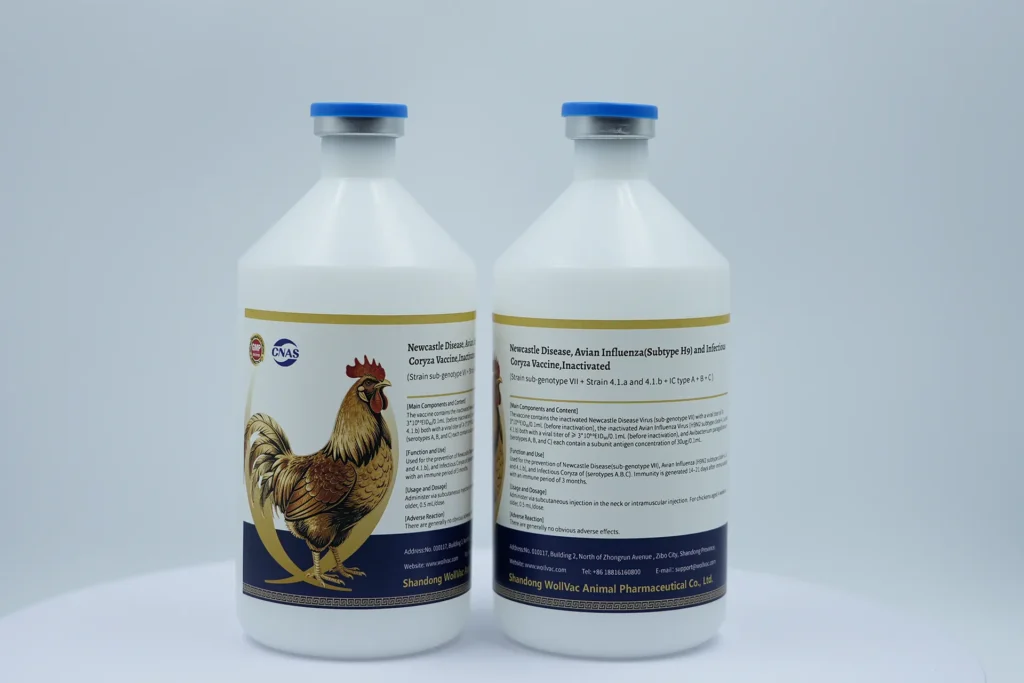
WOLLVAC Poultry Vaccine Solution

Poultry Infectious Coryza Vaccine

WOLLVAC provides inactivated infectious coryza vaccine options for chickens, with A, B and C serotype coverage, combination products, immunization guidance and technical support.

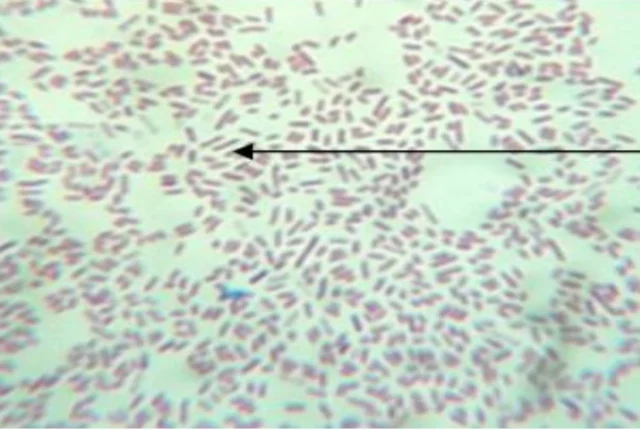
Gram-negative

Avibacterium paragallinarum

Coryza pathogen

A + B + C

Serotype Coverage

No cross-protection

2 doses

Layer Immunization

Primary and booster

3 doses

Breeder Immunization

Maternal antibody support

What Is Infectious Coryza in Chickens?

Infectious coryza is an acute upper respiratory disease caused by Avibacterium paragallinarum. Chickens are the natural host, and birds from 4 to 12 weeks of age and laying hens can be highly susceptible. Transmission occurs mainly through respiratory droplets, contaminated feed and water, and contact with infected or carrier birds.

Key point: Avibacterium paragallinarum is environmentally fragile, but carrier and recovered birds can maintain infection within a flock. Vaccination, biosecurity and age-group separation are central to prevention.

What Is Infectious Coryza in Chickens

Clinical Signs And Production Impact

Infectious Coryza Can Reduce Health and Production

Infectious coryza can spread rapidly through a susceptible flock and cause upper respiratory disease, facial swelling, discharge, reduced feed intake and production loss.

01

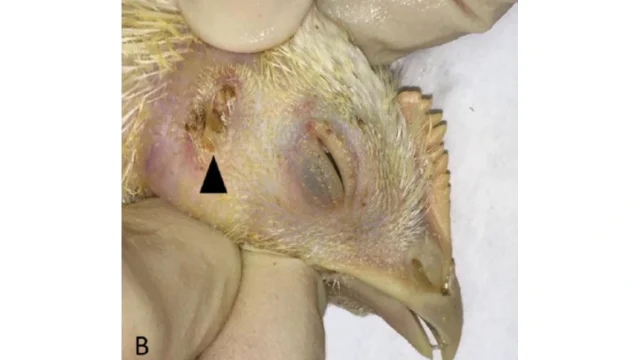
Facial Swelling and Nasal Discharge

Swelling around the face and wattles, nasal discharge and conjunctivitis are common field signs.

02

Respiratory Distress

Sneezing, labored breathing and upper respiratory inflammation can impair flock performance.

03

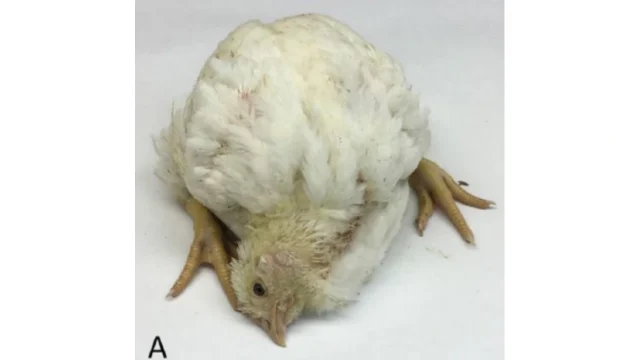
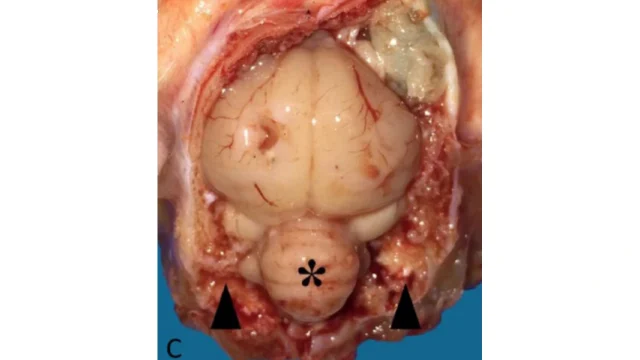
Ear and Neurological Complications

Severe cases may involve caseous ear exudate, torticollis, cerebellar edema and intracranial lesions.

04

Egg Production Loss

Laying hens may show reduced egg production and prolonged recovery after an outbreak.

Type A

Clinical partial symptoms Type:A

Clinical partial symptoms Type B

Clinical partial symptoms Type-B

Clinical partial symptoms Type C

Clinical partial symptoms Type-C

Infectious Coryza

Why Infectious Coryza Serotype Coverage Matters

Avibacterium paragallinarum is commonly grouped into serotypes A, B and C. Cross-protection between serotypes is limited, so vaccine selection should reflect circulating serotypes and farm history.

Product communication point: Confirm the target country, flock type, age, previous outbreaks, serotype information, production stage and whether a standalone or combined vaccine is required.

Strain and Serotype Reference

Infectious Coryza Serotypes A, B and C

Serotype prevalence varies by region and flock history. Broad serotype coverage supports programs where local field information is incomplete.

SerotypeField RelevanceCross-protectionSelection Note
ACommon in many poultry marketsLimited against B and CInclude when serotype A is detected or suspected
BImportant in some regional outbreaksLimited against A and CUse market surveillance and farm history
CPrevalence varies by regionLimited against A and BConsider trivalent coverage when local data are uncertain

Product Selection Guide

How to Choose a Infectious Coryza Vaccine

Match disease pressure, flock type, production stage and co-infection risk with a registered product in the destination market.

Farm SituationSuggested DirectionKey Check
Serotype information unavailableA + B + C trivalent coverageConfirm local registration and label
Mycoplasma and coryza pressureMycoplasma + IC combinationReview MG and MS status
ND, H9 and coryza pressureMultivalent inactivated optionReview the complete farm program
Fowl cholera and coryza pressureCombined bacterial vaccineConfirm farm history

Core Technology

WOLLVAC Infectious Coryza Vaccine Technology Highlights

WOLLVAC vaccine directions focus on antigen quality, formulation safety, stable immune response and practical farm use.

01

Endotoxin Control

Processing targets levels at or below 10 EU/mL to reduce endotoxin-related stress.

02

Composite Oil Adjuvant

Imported composite oil adjuvant supports stable formulation and antibody response.

03

Low Viscosity

Viscosity below 30 cP supports smooth injection and reduced vaccination stress.

04

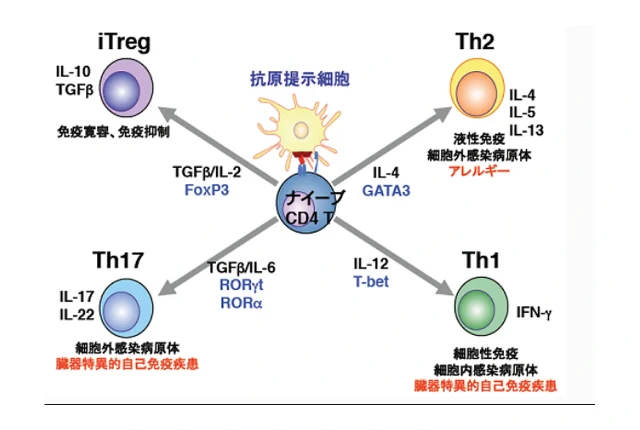
Th1 Immune Pathway

The adjuvant system supports Th1-related immune pathways important for bacterial antigens.

05

Trivalent Serotype Coverage

A, B and C coverage addresses limited cross-protection between coryza serotypes.

06

Purified Subunit Antigen

Purified tandem subunit protein is specified at at least 90 percent purity.

07

High Antigen Content

Each A, B and C component is specified at at least 300 micrograms per mL.

Immunization Strategy

Infectious Coryza Control Requires Vaccination and Biosecurity

A practical program combines suitable vaccination, clean sourcing, flock management, monitoring and qualified veterinary guidance.

01

Primary Immunization

Primary vaccination establishes immune memory but may produce a limited initial antibody response.

02

Booster Immunization

A second dose can rapidly increase antibody levels and support longer protection in layer flocks.

03

Pullet Preparation

Pullets should receive an inactivated coryza vaccine before sale, with history communicated to the buyer.

04

Breeder Program

Breeder flocks may require three immunizations to support flock and maternal antibody protection.

05

All-In All-Out Management

Avoid mixing age groups and use all-in/all-out management to reduce circulation.

06

Ventilation and Disinfection

Maintain ventilation, suitable stocking density and regular environmental disinfection.

Dose, timing and administration must follow the registered label, local regulations and qualified veterinary guidance.

Who This Page Is For

Infectious Coryza Vaccine Support for Different Buyers

WOLLVAC supports farms, veterinary teams, distributors and importers with product selection and registration-related information.

FM

Poultry Farms

Assess field signs, flock age, production impact and previous disease history.

VET

Veterinary Teams

Discuss diagnosis, strain or serotype pressure, vaccine timing and combined disease risk.

DI

Distributors

Build a focused product portfolio using existing WOLLVAC vaccine options.

IM

Importers

Request specifications, label information and registration-related documentation.

Need Infectious Coryza Vaccine Information for Your Market?

Tell us your country, poultry type, disease concern and current vaccination program. WOLLVAC will help identify suitable product directions.

FAQ

Infectious Coryza Vaccine FAQ

Common questions from poultry farms, veterinarians, distributors and importers selecting Infectious Coryza vaccines.

What causes infectious coryza in chickens?

It is caused by Avibacterium paragallinarum, a Gram-negative bacterium affecting the upper respiratory tract.

Birds from 4 to 12 weeks of age and laying hens can be highly susceptible.

Serotypes A, B and C have limited cross-protection, so selection should reflect local serotypes.

The supplied material recommends a primary dose followed by a booster.

The supplied material recommends three immunizations to support flock and maternal antibody protection.

Yes. WOLLVAC has standalone and combination directions; use must follow the registered label.

Use all-in/all-out management, separate ages, improve ventilation and disinfect regularly.

Yes. Specifications, labels and registration-related information can be discussed by destination market.

Request Infectious Coryza Vaccine Product Information

Submit your country, poultry type, disease concern and product requirements. WOLLVAC will help identify suitable vaccine directions.

Support: Product Selection / Label / Specification / Registration Documents<br>Suitable For: Poultry Farms, Veterinarians, Distributors and Importers

Get Infectious Coryza Vaccine Details

    Scroll to Top