
WOLLVAC Poultry Vaccine Solution
Poultry Avian Influenza Vaccine
WOLLVAC provides avian influenza vaccine solutions for poultry, focusing on H9N2 low pathogenic avian influenza, regional clade matching, multivalent poultry vaccine programs and technical support for farms, veterinarians, distributors and importers.
H9N2
H9N2
Main low pathogenic AI subtype
4.1
4.1.a / 4.1.b
Middle East clade-oriented vaccine antigens
Titer
>=3x10^9.0
EID50 / 0.1 mL before inactivation
Low
<=10 EU/mL
Low endotoxin treatment direction
What Is H9N2 Avian Influenza in Poultry?
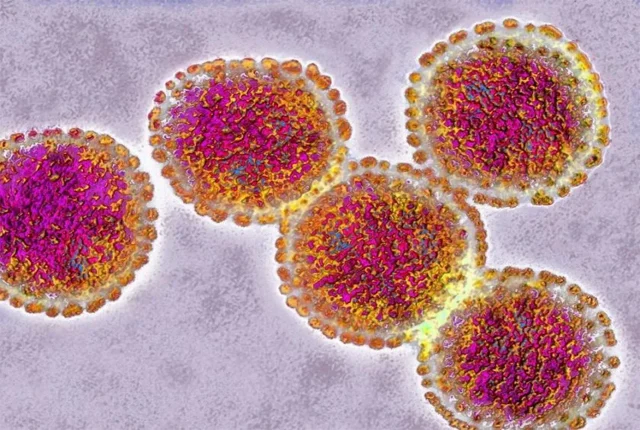
Avian influenza viruses belong to type A influenza viruses of the Orthomyxoviridae family. The virus particles are spherical, approximately 80-120 nanometers in diameter, and are enveloped. The envelope contains two major surface proteins: hemagglutinin (HA) and neuraminidase (NA).
Multiple HA and NA combinations can form different avian influenza virus subtypes. The H9 subtype is generally classified as low pathogenic avian influenza, with H9N2 being the predominant subtype.
H9N2 itself may show relatively weak direct pathogenicity, but it can reduce flock resistance and increase the risk of mixed infections with Newcastle disease, infectious bronchitis and bacterial diseases, which may result in severe production losses.
Key point: Low pathogenicity does not mean low risk. H9N2 control should combine vaccination, biosecurity, feeding management and monitoring of secondary infections.
Clinical Signs And Production Impact
Why H9N2 Is a Hidden Poultry Production Risk
H9N2 infection can weaken flock resistance and is often associated with respiratory lesions, reduced hatchability and mixed infection problems in poultry production.
01
Lower Hatchability
H9N2 challenge may be associated with reduced hatching performance, especially when mixed infections or management stress exist.
02
Pulmonary Lesions
Poultry may show pulmonary congestion and consolidation, affecting respiratory performance and flock condition.
03
Bronchial Hemorrhage
Respiratory tract damage can increase susceptibility to other pathogens and worsen disease outcomes.
04
Bronchial Obstruction
Obstruction and respiratory distress may appear when H9N2 combines with other respiratory pathogens.
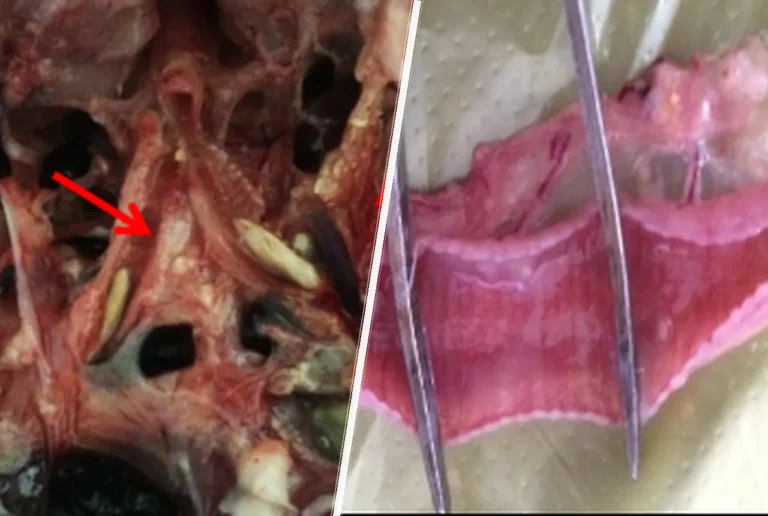
Clinical observation examples: bronchial obstruction, bronchial hemorrhage, pulmonary congestion and reduced hatchability.
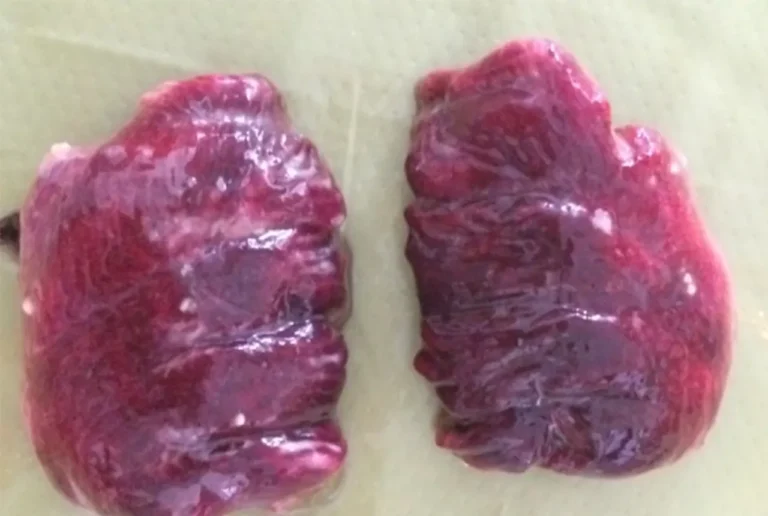
H9N2 should be managed together with respiratory disease complex prevention and flock immune status monitoring.
Regional Clade Matching Matters for H9N2 Vaccine Selection
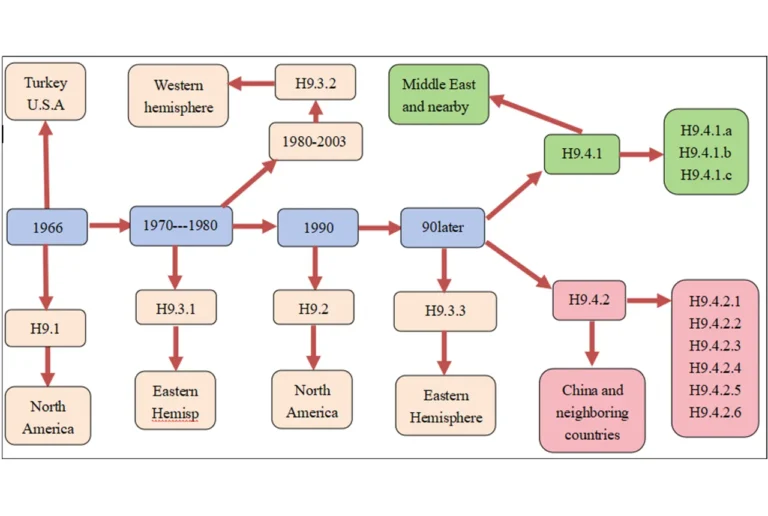
H9N2 strains circulating in different regions may belong to different clades. According to the supplied technical material, China-related strains are mainly associated with H9.4.2 lineages, while the Middle East and nearby regions are associated with the H9.4.1 clade.
Significant clade differences may reduce cross-protection. Therefore, vaccine selection should consider regional prevalent strains, field challenge history and product antigen matching.
WOLLVAC H9 series vaccines use inactivated antigens from H9N2 subtype clade 4.1.a and 4.1.b, helping meet vaccine needs in the Middle East and nearby markets where H9.4.1-related strains are a key concern.
Distributor communication point: Ask customers about country, local field strain pressure, current vaccination program and whether H9.4.1-oriented product information is required.
Recommended WOLLVAC Products
Avian Influenza Vaccine Options for Poultry
WOLLVAC provides monovalent and multivalent vaccine directions for H9N2 and poultry respiratory disease programs. Product availability, label claims and administration should follow local registration and official product documents.
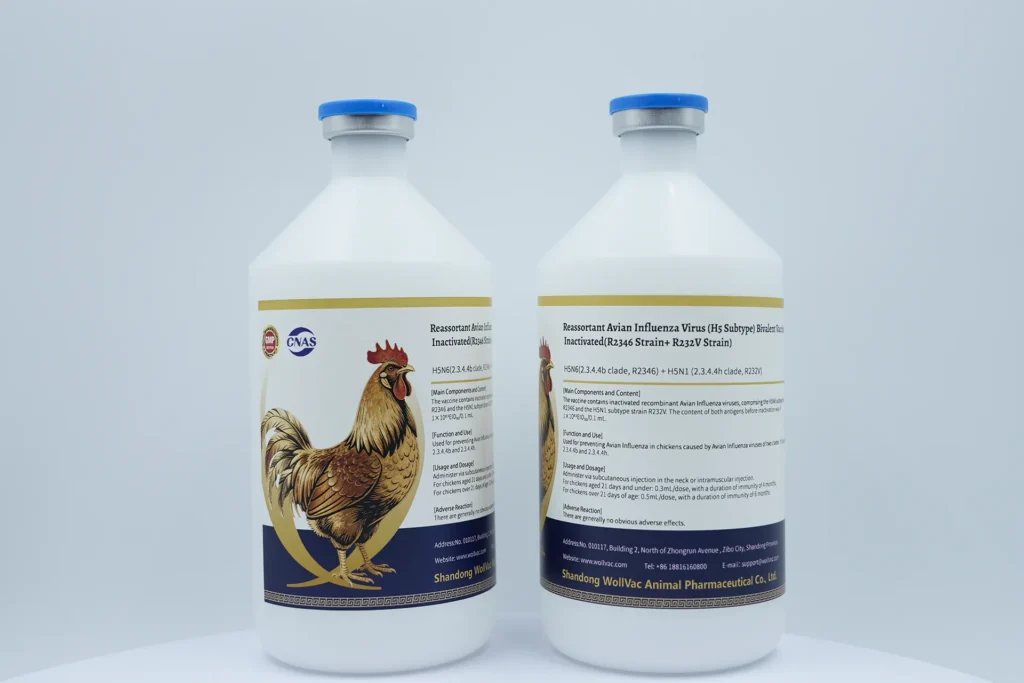
Woflu H5
Reassortant Avian Influenza Virus (H5 Subtype) Bivalent Vaccine, Inactivated
AI(H5) H5N6 (2.3.4.4h)H5N8 (2.3.4.4b)
For the prevention of avian influenza caused by H5N6 subtype clade 2.3.4.4h and H5N8 subtype clade 2.3.4.4b viruses.
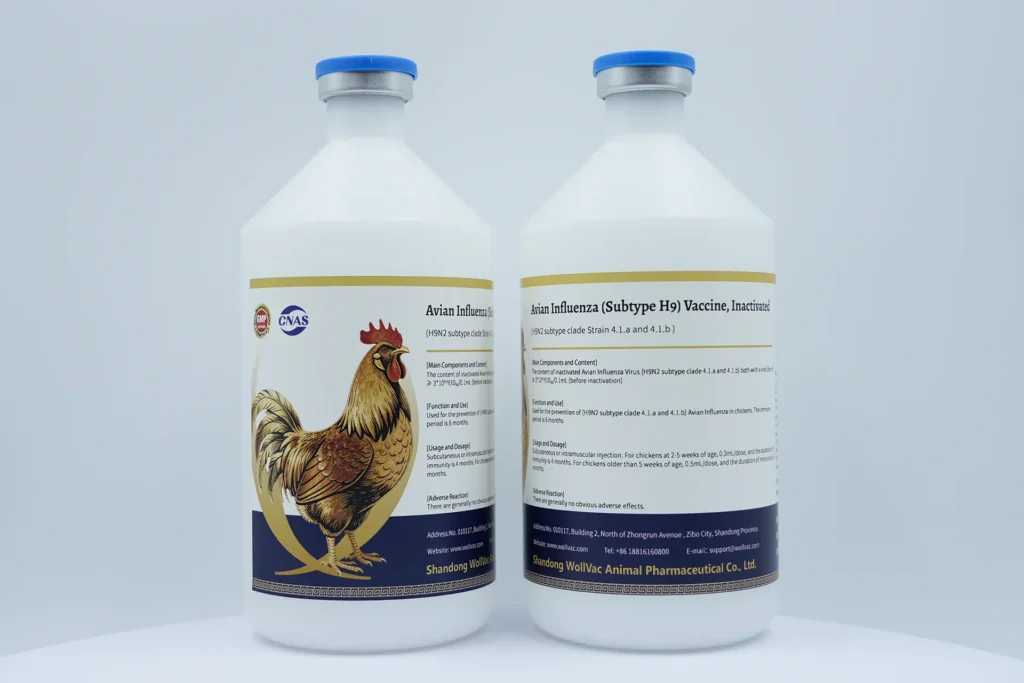
Woflu H9
Avian Influenza Vaccine, Inactivated (Subtype H9)
AI(H9)H9 (9.4.1a)H9 (9.4.1b)
Used for the prevention of (H9N2 subtype clade 4.1.a and 4.1.b) Avian Influenza in chickens.
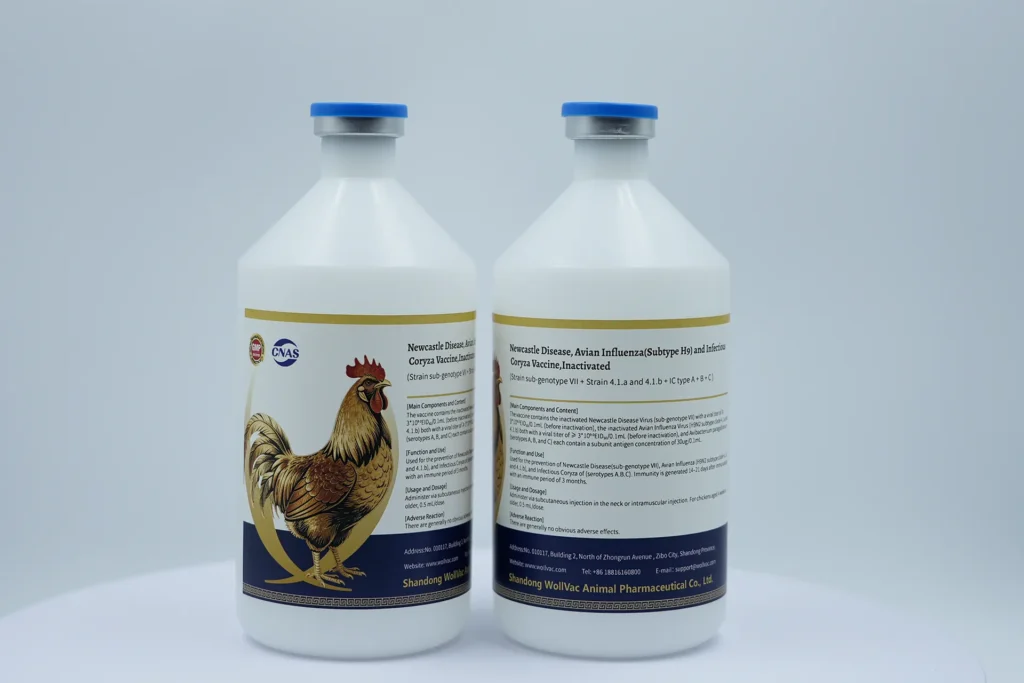
Wovac NAC Pro
Newcastle Disease, Avian Influenza (H9 Subtype), Infectious Coryza and Fowl Adenovirus Vaccine, Inactivated
ND AI (H9N2)ICFAdV
Used for the prevention of Newcastle Disease(sub-genotype VII), Avian Influenza (H9N2 subtype clade 4.1.a and 4.1.b), Infectious Coryza of (serotypes A.B.C) and Fowl Adenovirus(I GROUP Type C4、TypeE 8a/8b、Type D11).
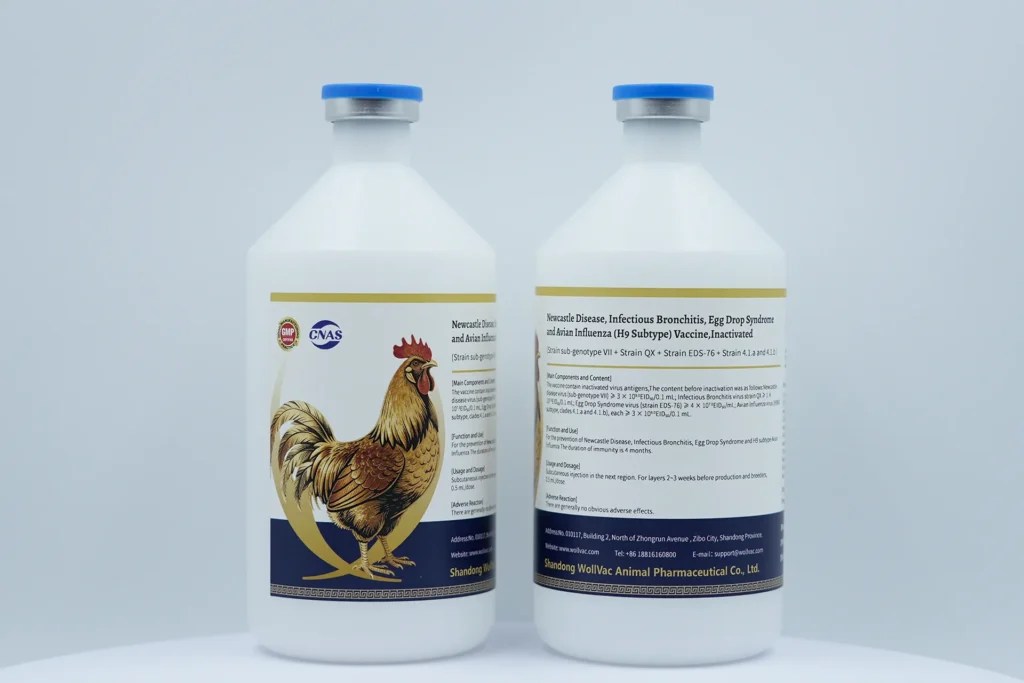
Wovac NBEA
Newcastle Disease, Infectious Bronchitis, Egg Drop Syndrome and Avian Influenza (H9 Subtype) Vaccine, Inactivated
ND IBEDSAI(H9N2)
For the prevention of Newcastle Disease, Infectious Bronchitis, Egg Drop Syndrome and H9 subtype Avian Influenza .
Wovac NBAFD
Newcastle Disease, Infectious Bronchitis, Avian Influenza (H9 Subtype), Fowl Adenovirus and Infectious Bursal Disease Vaccine, Inactivated
ND IBAI(H9N2)FAdVIBD
Prevention of Newcastle Disease(sub-genotype VII), Infectious Bronchitis virus strain QX,Avian Influenza (H9N2 subtype clade 4.1.a and 4.1.b),Fowl Adenovirus and Infectious Bursal Disease Virus.
Wovac NAF Pro
Newcastle Disease, Avian Influenza (H5+H9 Subtypes) and Fowl Adenovirus Vaccine, Inactivated
NDAI(H9N2)AI(H5)FAdV
Used for the prevention of Newcastle Disease, Avian Influenza (H5 and H9N2 subtype ) and Fowl Adenovirus.
Product composition, specifications, immune program, dosage, administration route and claims must follow the officially registered product label in the target market. This page is intended for product selection, distributor communication and technical inquiry guidance.
Product Selection Guide
How to Choose an Avian Influenza Vaccine Direction
Select vaccine products according to local H9N2 clade pressure, co-infection risks, bird type, vaccination history, product registration status and farm management conditions.
| Field Situation | Recommended Product Direction | Main Purpose | Buyer Concern Addressed |
|---|---|---|---|
| H9N2 is the main concern | WOLLVAC Avian Influenza H9 Series Vaccine | Targeted H9N2 low pathogenic avian influenza prevention | Regional strain matching and H9N2 control |
| H9N2 + Newcastle Disease pressure | ND + AI vaccine direction | Combined ND and AI prevention program | Simpler respiratory vaccine portfolio |
| H9N2 + IB respiratory challenge | ND + IB + AI vaccine direction | Broader respiratory disease control | Mixed infection and respiratory loss reduction |
| H9N2 + FADV field pressure | ND + AI + FADV vaccine direction | Combined AI and adenovirus-related pressure support | FADV-related production and mortality concerns |
| Layer / breeder production concern | ND + IB + EDS + AI vaccine direction | Respiratory and egg-production program support | Egg drop, hatchability and production stability |
| Complex disease pressure | ND + IB + AI + FADV + IBD vaccine direction | Comprehensive multivalent poultry vaccine program | Multiple disease risks and portfolio simplification |
Core Technology
WOLLVAC H9 Series Vaccine Technology Highlights
The WOLLVAC H9 series is designed around antigen matching, low-stress formulation and stable emulsification to support poultry vaccine program performance.
01
Endotoxin Treatment
Endotoxin levels are controlled at <=10 EU/mL, helping reduce endotoxin-induced stress during vaccination communication.
02
Composite Oil Adjuvant
French-origin imported adjuvant direction with vaccine viscosity below 30 cP, supporting flowability and reduced vaccination stress.
03
Low-Temperature Shear Emulsification
Low-temperature high-speed shear emulsification helps produce uniform and fine particles with good stability.
04
Low Formaldehyde Inactivation
Low formaldehyde inactivation process with final formaldehyde concentration at 0.8 per mille to help reduce side reactions.
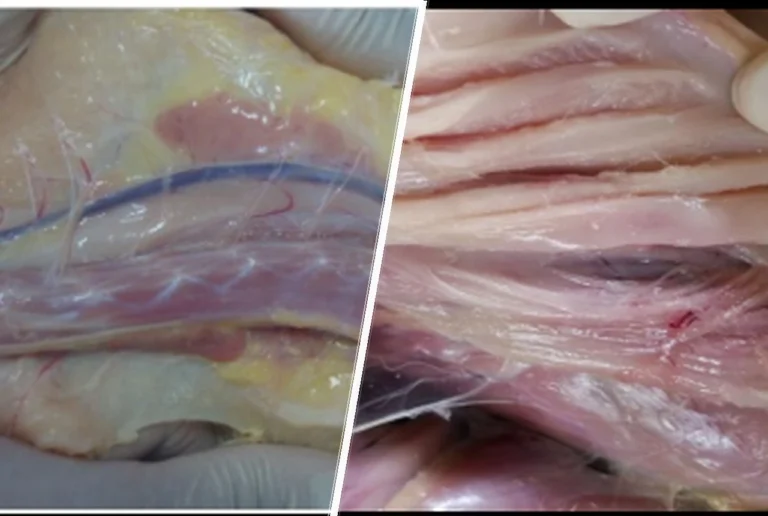
Reference material: recovery status of subcutaneous / muscular tissues 30 days after vaccination showed no abnormalities.
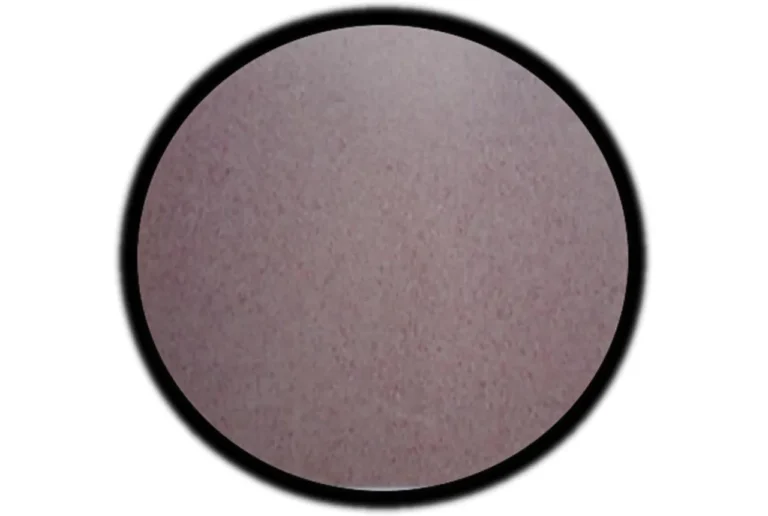
Reference material: uniform and fine particle size, with average particle size around 1.13 um and good stability.
Prevention & Control Strategy
H9N2 Control Requires More Than Vaccination
A practical H9N2 prevention program should combine vaccine selection, biosecurity, feeding management and reduction of environmental stress.
01
Improve Biosecurity
Establish strict isolation systems, physical barriers, vehicle/personnel disinfection and regular farm disinfection to reduce virus survival and spread.
02
Strengthen Feeding Management
Manage temperature, humidity and ventilation to reduce cold stress and improve flock resistance during H9N2 risk periods.
03
Control Mixed Infections
Monitor Newcastle Disease, Infectious Bronchitis and bacterial disease risks because mixed infections can worsen H9N2 outcomes.
Who This Page Is For
Avian Influenza Vaccine Support for Different Buyers
WOLLVAC supports farms, veterinary service providers, distributors and importers with H9N2 product information, vaccine portfolio recommendation and registration-related communication.
Poultry Farms
Request H9N2 vaccine directions and multivalent poultry vaccine program communication for flock health management.
Veterinary Teams
Discuss disease pressure, vaccination history and technical product information for poultry respiratory disease programs.
Distributors
Build a regional avian influenza vaccine portfolio with H9N2 and multivalent poultry vaccine product directions.
Importers
Request product specifications, label information, registration-related documents and cooperation details.
Need H9N2 Vaccine Information for Your Market?
Tell us your country, poultry type, H9N2 strain concern and current vaccination program. WOLLVAC will help you identify suitable vaccine directions.
FAQ
Avian Influenza Vaccine FAQ
Common questions from poultry farms, veterinarians, distributors and importers when selecting avian influenza vaccines.
What is H9N2 low pathogenic avian influenza?
H9N2 is a low pathogenic avian influenza subtype. Although its direct pathogenicity can be relatively weak, it may reduce flock resistance and increase the risk of mixed infections with Newcastle Disease, Infectious Bronchitis and bacterial diseases.
Why is H9N2 still dangerous if it is low pathogenic?
The main risk is not only direct infection, but also immune suppression, respiratory damage and secondary mixed infection. These factors can lead to reduced hatchability, respiratory lesions, lower production performance and greater flock losses.
Why does regional clade matching matter for H9N2 vaccines?
H9N2 strains circulating in different regions may belong to different clades. If the vaccine antigen does not match the prevalent strain well, cross-protection may be reduced. Customers should consider local field strain pressure and regional epidemiology before choosing a vaccine direction.
What H9N2 antigens does the WOLLVAC H9 series contain?
According to the supplied product material, WOLLVAC Avian Influenza H9 series vaccine contains inactivated H9N2 subtype clade 4.1.a and 4.1.b antigens, both with viral titers >=3×10^9.0 EID50 / 0.1 mL before inactivation.
Can WOLLVAC provide multivalent avian influenza vaccine directions?
Yes. WOLLVAC poultry vaccine directions include H9N2-related monovalent and multivalent options such as ND + AI, ND + IB + AI, ND + AI + FADV, ND + IB + EDS + AI and broader multivalent vaccine directions.
How should I choose between H9N2 vaccine and multivalent vaccine options?
If H9N2 is the primary risk, a targeted H9 series vaccine may be considered. If H9N2 is accompanied by ND, IB, FADV, IBD or production-related problems, multivalent vaccine directions may be more suitable. Final selection should follow local disease pressure, registration status and veterinary guidance.
Can WOLLVAC support distributors with registration documents?
Yes. Distributors can request product details, specifications, label information, storage conditions and registration-related communication. Exact documents depend on product availability and destination-market regulatory requirements.
Does vaccination alone control H9N2?
No. H9N2 prevention should combine suitable vaccination, strict biosecurity, environmental management, ventilation control, feeding management and monitoring of secondary infections.
Request Avian Influenza Vaccine Product Information
Submit your target country, poultry type, H9N2 disease concern and product requirements. WOLLVAC will help you identify suitable avian influenza vaccine directions and provide product information.
Support: H9N2 Product Details / Multivalent Vaccine Options / Label / Specification / Registration Documents
Suitable For: Poultry Farms, Veterinarians, Distributors and Importers