
WOLLVAC Poultry Vaccine Solution
Poultry Infectious Bronchitis (IB) Vaccine
WOLLVAC provides Infectious Bronchitis vaccine solutions for poultry, focusing on QX-dominant IBV field pressure, live vaccine priming, inactivated vaccine boosting, and multivalent poultry vaccine programs for farms, veterinarians, distributors and importers.
QX
Dominant field genotype
Dominant field genotype in supplied data
>70%
QX proportion
QX proportion among listed isolates
H120 + QX + 4/91
Live vaccine combination
Live vaccine antigen combination
QX Inactivated
Booster direction
For sustained antibody response
What Is Infectious Bronchitis in Chickens?
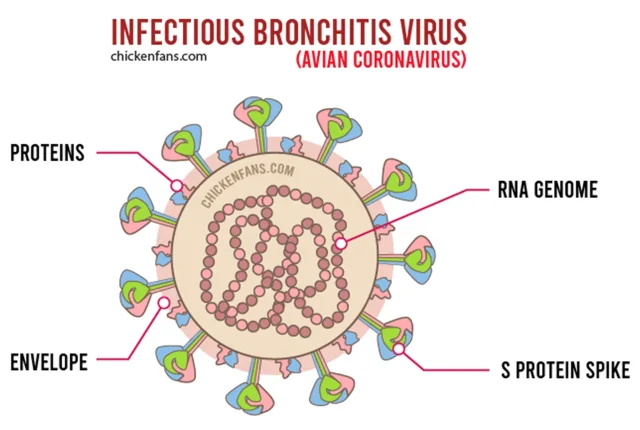
Infectious Bronchitis (IB) is an acute and highly contagious viral disease in chickens caused by Infectious Bronchitis Virus (IBV), an avian coronavirus. According to the affected tissue and viral strain, IB can appear as respiratory type, renal type or reproductive / proventricular-related disease.
In commercial poultry production, IBV can cause coughing, sneezing, tracheal rales, open-mouth breathing, kidney swelling, reduced egg production, egg quality problems and irreversible reproductive tract damage in young birds.
Because IBV has many serotypes and cross-protection between different strains is limited, vaccine selection should consider local circulating genotypes, farm disease history, bird age and the existing vaccination program.
Key point: IB vaccine selection should not rely only on traditional Mass-type strains. For markets where QX-like strains dominate, QX antigen matching becomes a key product-selection factor.
Clinical Signs And Production Impact
IBV Can Damage the Respiratory, Renal and Reproductive Systems
Infectious Bronchitis is not only a respiratory disease. Depending on the strain and infection stage, it may also cause severe kidney damage and long-term reproductive losses.
Respiratory Type
Sudden coughing, sneezing, tracheal rales and open-mouth breathing may occur. Chicks can be more severely affected.
Renal Type
Chickens may show watery white diarrhea, dehydration and swollen pale kidneys with urate deposition.
Reproductive Type
Infection during early growth may cause permanent oviduct damage, false layers and reduced egg production.
Egg Quality Loss
IBV may lead to soft-shelled, misshapen or sandpaper-like eggs and watery egg whites in laying hens.
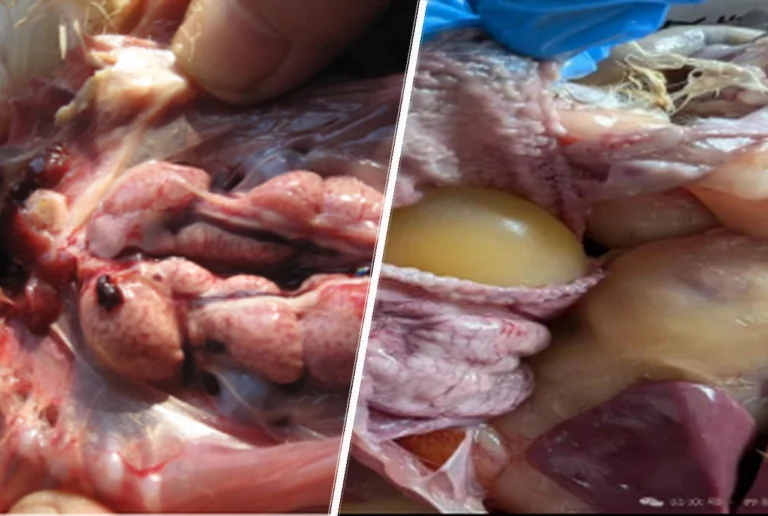
Clinical examples: swollen kidneys with bleeding points and fallopian tube cysts associated with IBV impact.
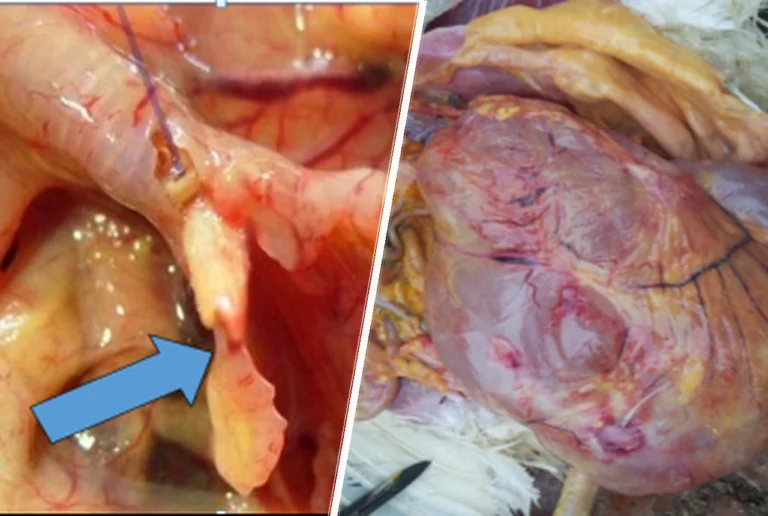
IBV may affect respiratory performance, kidney health and reproductive productivity in chickens.
Why IBV Strain Matching Matters
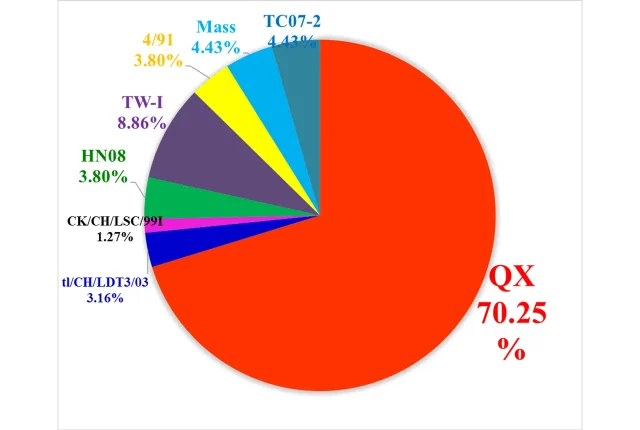
IBV has many serotypes, and the predominant strains may vary by region and time. The supplied material indicates that QX genotype field isolates account for more than 70%, while 4/91 remains consistently detected at about 4%.
Traditional Mass-type vaccine strains such as H120, H52, M41, Ma5, W93 and 2886 may provide limited protection against currently dominant field strains when antigen matching is poor.
For this reason, WOLLVAC emphasizes a practical IB vaccine strategy built around early respiratory tract immunity, QX-related antigen matching, live vaccine priming and inactivated vaccine boosting for sustained antibody response.
Product communication point: When customers ask for IB vaccine, first confirm country, circulating genotype, bird type, farm age structure, respiratory signs, kidney lesions, egg production problems and current vaccination program.
Recommended WOLLVAC Products
Infectious Bronchitis Vaccine Options for Poultry
WOLLVAC IB vaccine solutions include live vaccine antigen combinations for early respiratory immunity, QX-type inactivated vaccine for sustained antibody response, and multivalent poultry vaccine directions for complex disease pressure.
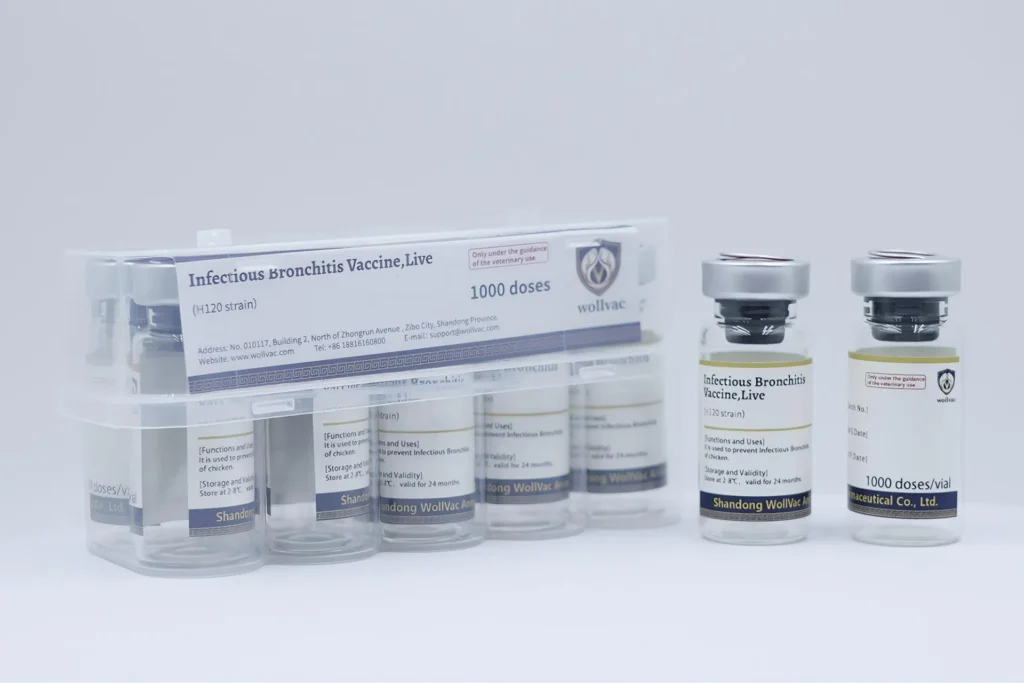
Wolive IB
Infectious Bronchitis Live Vaccine (H120)
H120 strain
Optional Strain(s): H120 strain,4/91 strain,QX strain,28/86 strain.
Wolive IB Pro
Infectious Bronchitis Live Vaccine (H120+M41+4/91)
H120 strain M414/91
Optional Strain(s): H52; QX; G-23; QX; G-23; Ma5; 28/26
Wolive ND+IB Pro
Newcastle Disease and Infectious Bronchitis Live Vaccine
(Lasota+A-VII,H120+M41)
Lasota+A-VIIH120 strain M41
ND Optional Strain(s): LaSota ,A-VII; Clone30; VH; CS2; VG/GA; HB1
IB Optional Strain(s):H120, H52; 4/91; M41; QX; G-23;Ma5;28/26
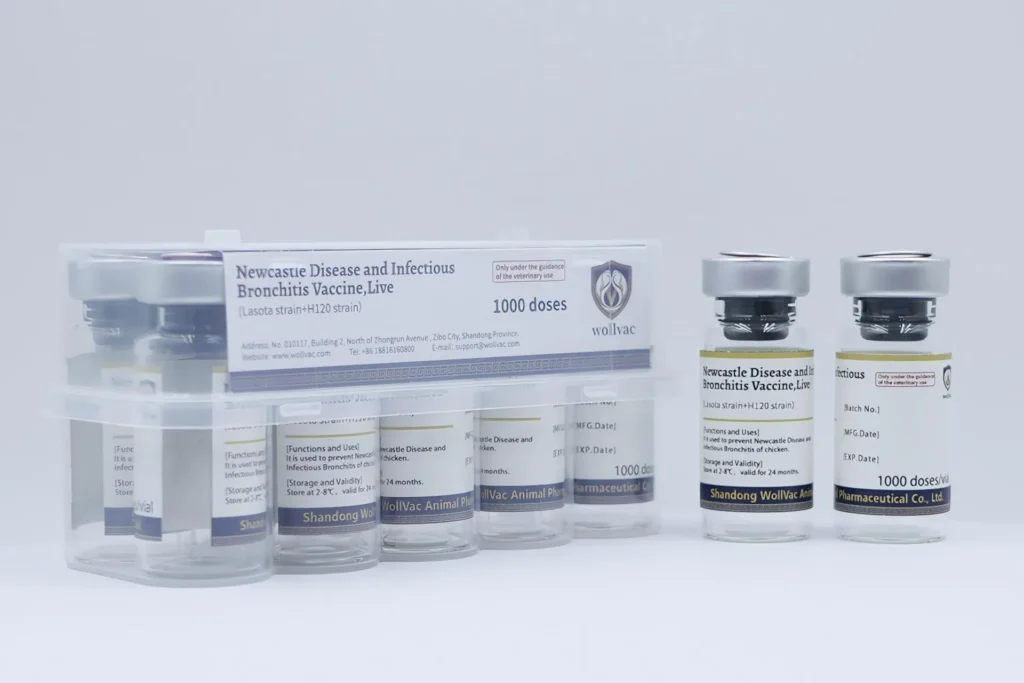
Wolive ND+IB 120
Newcastle Disease and Infectious Bronchitis Live Vaccine (La Sota + H120)
La SotaH120
ND optional strains: G7, Clone30, VH, VG/GA, V4, HB1.
IB optional strains: 4/91, QX, G-23, 28/86.
Wolive ND+IB 52
Newcastle Disease and Infectious Bronchitis Live Vaccine (La Sota + H52)
La SotaH52
ND optional strains: G7, Clone30, VH, VG/GA, V4, HB1. For chickens more than 21 days old.
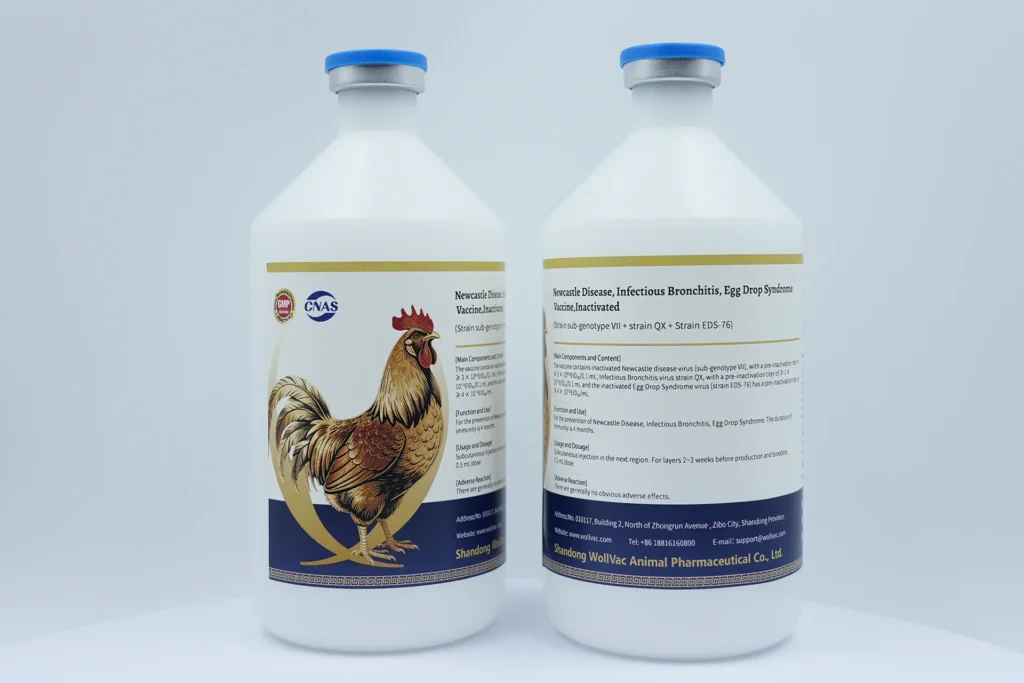
Wovac NBE
Newcastle Disease, Infectious Bronchitis and Egg Drop Syndrome Vaccine, Inactivated
La SotaM41EDS-76
For the prevention of Newcastle disease (La Sota strain), infectious bronchitis (M41 strain), and egg drop syndrome (EDS-76 strain) in chickens.
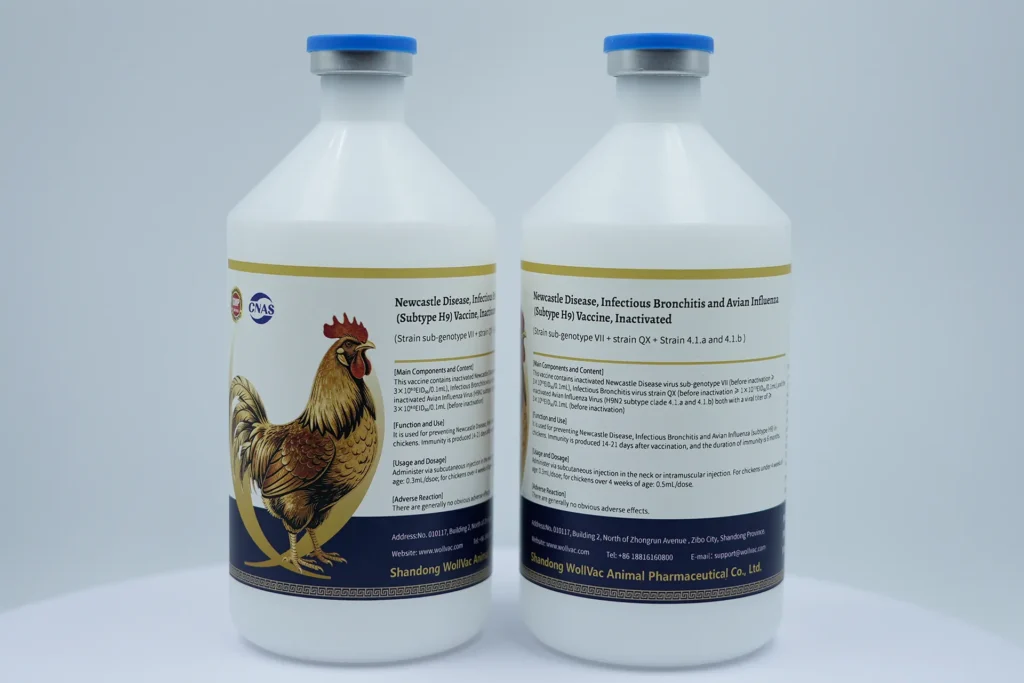
Wovac NBA
Newcastle Disease, Infectious Bronchitis and Avian Influenza (H9 Subtype) Vaccine, Inactivated
La SotaM41H9N2
For the prevention of Newcastle disease, infectious bronchitis and H9 subtype avian influenza in chickens.
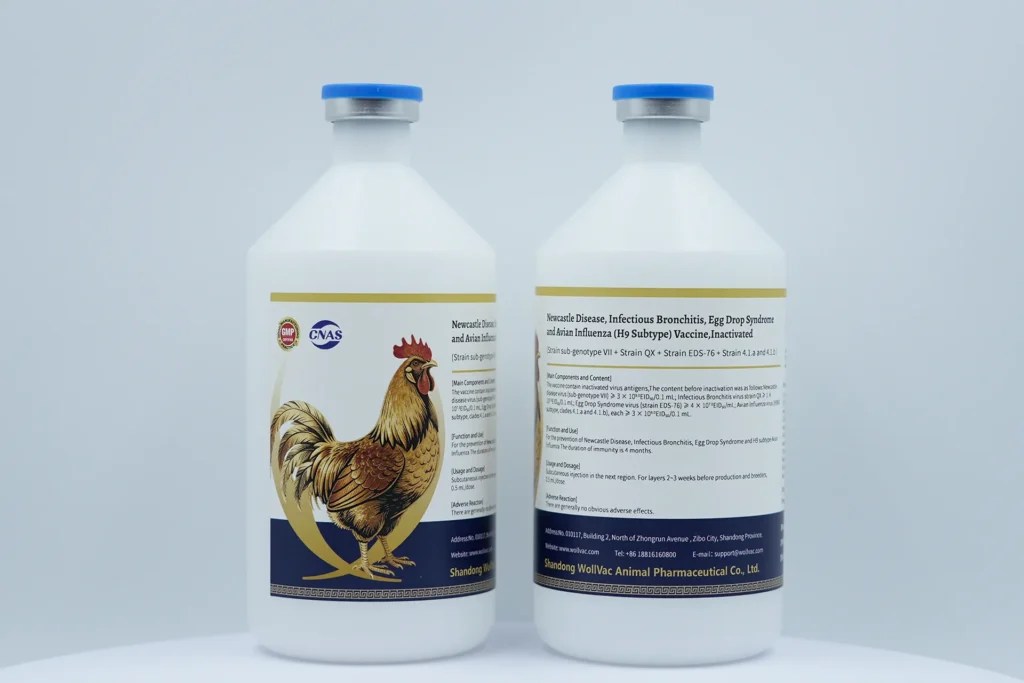
Wovac NBEA
Newcastle Disease, Infectious Bronchitis, Egg Drop Syndrome and Avian Influenza (H9 Subtype) Vaccine, Inactivated
La SotaM41EDS-76H9N2
For the prevention of Newcastle disease, infectious bronchitis, egg drop syndrome and H9 subtype avian influenza.
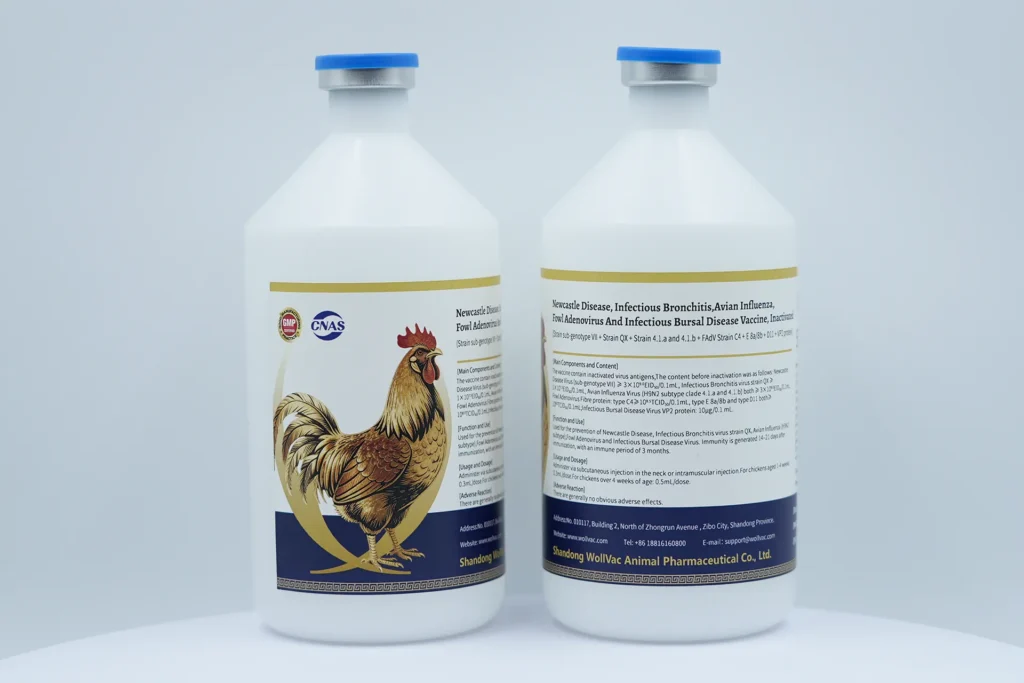
Wovac NBAFD
Newcastle Disease, Infectious Bronchitis, Avian Influenza (H9), Fowl Adenovirus and IBD Vaccine, Inactivated
La SotaM41H9N2FAdVIBDV
Five-valent protection for Newcastle disease, infectious bronchitis, H9 avian influenza, fowl adenovirus and infectious bursal disease.
Product composition, specifications, immune program, dosage, administration route and label claims must follow the officially registered product label in the target market. This page is intended for product selection, distributor communication and technical inquiry guidance.
Product Selection Guide
How to Choose an IB Vaccine Direction
Select IB vaccine products according to local IBV genotype, clinical type, bird age, vaccination history, flock production stage and co-infection pressure.
Field Situation
Recommended Product Direction
Main Purpose
Buyer Concern Addressed
Early respiratory immunity needed
WOLLVAC IB Live Vaccine Series
Induce respiratory tract immunity early
Early infection pressure, coughing, sneezing, respiratory signs
QX-type field pressure
WOLLVAC QX-Type IB Inactivated Vaccine
Improve antigen matching and sustained antibody response
Limited protection from traditional Mass-type vaccine programs
ND and IB coexist
ND + IB live vaccine direction
Combined respiratory disease prevention planning
Program simplification and early respiratory protection
IB + H9N2 respiratory complex
ND + IB + AI vaccine direction
Broader respiratory disease control
Mixed infection, production loss and respiratory challenge
Layer / breeder egg production issue
ND + IB + EDS or ND + IB + EDS + AI direction
Support respiratory and reproductive program planning
Egg drop, abnormal eggs, hatchability and false layer concerns
Complex poultry disease pressure
ND + IB + AI + FADV + IBD direction
Comprehensive poultry vaccine portfolio
Multiple disease risks and distributor product-line expansion
Core Technology
WOLLVAC IB Vaccine Technology Highlights
WOLLVAC IB vaccine solutions are designed around strain matching, live-inactivated combination strategy, adjuvant technology, stability and impurity reduction.
01
Advantageous Strain Combination
Live vaccine antigen combination includes H120, QX and 4/91 strains, supporting broader IBV program communication.
02
QX-Type Inactivated Antigen
Inactivated vaccine uses QX-type epidemic strain for improved antibody match against QX-type field pressure.
03
Imported Adjuvant System
French white oil and imported aqueous/oil emulsifier are combined with proprietary emulsification technology.
04
Low Viscosity & Transport Stability
Low viscosity supports easier injection. Supplied material notes heat resistance up to 40 C during long-distance transport for 5-7 days.
05
SPF Chicken Embryo Production
Live vaccine products are produced from SPF chicken embryos and contain purified antigens for product quality communication.
06
Ultrafiltration Concentration Process
Imported Millipore equipment and efficient microporous membranes help remove urate, non-specific proteins and other impurities, reducing immune side effects.
Immunization Strategy
IB Control Requires Early Immunity and Matched Vaccine Programs
IB prevention should combine early respiratory immunity, suitable strain selection, inactivated booster support and strict farm management.
01
Vaccinate Early
The supplied material emphasizes early IBV vaccination to induce respiratory tract immunity as early as possible.
02
Use Proper Route
For IBV live vaccine programs, the material recommends intranasal, ocular or aerosol delivery rather than relying on drinking water.
03
Combine Live and Inactivated
Live vaccines should be combined with inactivated vaccines to support rapid and sustained antibody response.
04
Consider Maternal Antibodies
Higher maternal antibody levels in 1-day chicks can be beneficial and may help protect the oviduct.
05
Match Local Strains
Choose IB vaccine direction according to local QX, 4/91, Mass or other genotype pressure.
06
Protect Production Performance
Focus on respiratory health, kidney lesions, egg production, egg quality and prevention of false layer syndrome.
Detailed dose, immune age, administration route and combination program should follow the official product label, local registration requirements and qualified veterinary guidance.
Who This Page Is For
IB Vaccine Support for Different Buyers
WOLLVAC supports farms, veterinary service providers, distributors and importers with IB vaccine product information, strain-matching communication and registration-related document support.
FM
Poultry Farms
Request IB vaccine directions for respiratory signs, kidney lesions, egg drop and production stability concerns.
VET
Veterinary Teams
Discuss clinical type, field strain pressure, vaccine route and live-inactivated program design.
DI
Distributors
Build an IB vaccine portfolio with live vaccine, QX inactivated vaccine and multivalent poultry options.
IM
Importers
Request product specifications, label information, registration-related documents and cooperation support.
Need IB Vaccine Information for Your Market?
Tell us your country, poultry type, IBV strain concern and current vaccination program. WOLLVAC will help you identify suitable IB vaccine directions.
FAQ
Infectious Bronchitis Vaccine FAQ
Common questions from poultry farms, veterinarians, distributors and importers when selecting IB vaccines.
What is Infectious Bronchitis in chickens?
Infectious Bronchitis is an acute and highly contagious viral disease caused by Infectious Bronchitis Virus, an avian coronavirus. It may affect the respiratory system, kidneys and reproductive tract.
Why is QX genotype important for IB vaccine selection?
According to the supplied material, QX genotype accounts for more than 70% of listed field isolates. If the vaccine strain does not match the dominant field strain, protection may be limited.
Are Mass-type vaccines enough for current IBV pressure?
Traditional strains such as H120, H52, M41, Ma5, W93 and 2886 belong to the Massachusetts serotype. The supplied material indicates that they may offer limited protection against dominant QX-type field strains.
What antigens are included in the WOLLVAC IB live vaccine series?
The supplied material lists H120 strain, QX strain and 4/91 strain, each at >=10^3.5 EID50 / dose, as antigens for WOLLVAC Infectious Bronchitis live vaccine series.
What is the role of WOLLVAC QX-type IB inactivated vaccine?
The QX-type inactivated vaccine is designed for better antibody match against QX-type field pressure and can be used with live vaccine programs to support rapid and sustained antibody response.
Can IB vaccines be combined with ND, AI, EDS or other poultry vaccines?
Yes. WOLLVAC poultry vaccine directions include IB-related multivalent options such as ND + IB, ND + IB + AI, ND + IB + EDS and broader multivalent vaccine directions. Product selection should follow local registration status.
What administration route is recommended for IB live vaccines?
The supplied material emphasizes intranasal, ocular or aerosol delivery for IBV live vaccine programs. Final administration should follow the official product label and veterinary guidance.
Can WOLLVAC support distributors with registration documents?
Yes. Distributors can request product details, specifications, label information, storage conditions and registration-related communication. Exact documents depend on product availability and destination-market regulatory requirements.
Request Infectious Bronchitis Vaccine Product Information
Submit your target country, poultry type, IBV disease concern and product requirements. WOLLVAC will help you identify suitable IB vaccine directions and provide product information.
Support: IB Live Vaccine / QX Inactivated Vaccine / Multivalent Vaccine Options / Label / Specification / Registration Documents
Suitable For: Poultry Farms, Veterinarians, Distributors and Importers
Email: info@wollvac.com