WOLLVAC Poultry Vaccine Solution

Poultry Fowl Adenovirus Vaccine

WOLLVAC provides fowl adenovirus vaccine options for hydropericardium syndrome, inclusion body hepatitis and mixed disease pressure, with multivalent products and technical support.

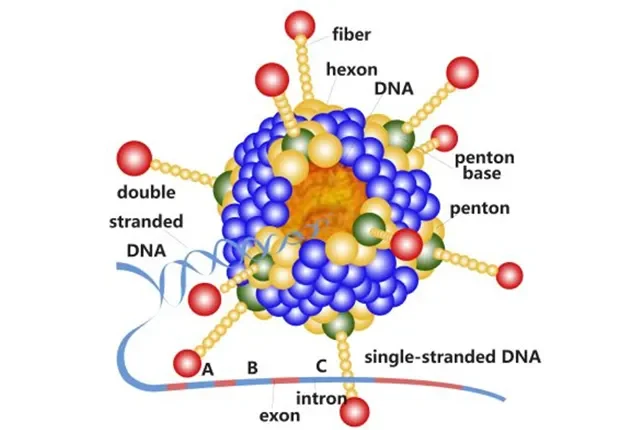
Non-enveloped dsDNA

FAdV-I

Adenovirus pathogen

12 serotypes

Chicken Serotypes

Five Aviadenovirus species

C4 + E8b + D11

Major Field Types

Key antigen direction

Suspension + Fiber-2

Vaccine Technology

Dual antigen approach

Why Fowl Adenovirus Vaccine Strain Strategy Matters

Fowl adenovirus group I is a non-enveloped double-stranded DNA virus in the family Adenoviridae. Viral particles are approximately 70 to 90 nm in diameter and show strong environmental resistance, including tolerance across a broad pH range and persistence at room temperature.

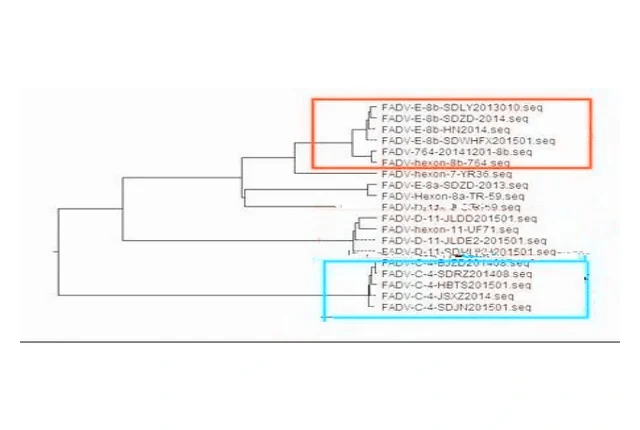
Key point: Chicken fowl adenoviruses include multiple species and serotypes. FAdV-C4, FAdV-E8b and FAdV-D11 are highlighted in the supplied material as major field types associated with hydropericardium syndrome and inclusion body hepatitis.

Why Fowl Adenovirus Vaccine Strain Strategy Matters

Clinical Signs And Production Impact

Fowl Adenovirus Can Cause Severe Liver and Heart Disease

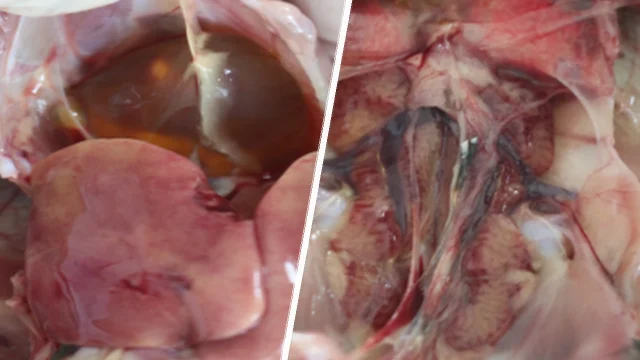
Fowl adenovirus infection can cause hydropericardium syndrome, inclusion body hepatitis, sudden mortality and serious damage to the liver, kidneys and digestive system.

01

Hydropericardium Syndrome

Fluid around the heart may accompany enlarged liver, hemorrhage, jaundice and kidney lesions.

02

Inclusion Body Hepatitis

The liver may become swollen, yellow, hemorrhagic and brittle with necrotic foci.

03

Liver and Kidney Damage

Affected birds may show hepatomegaly, icterus, nephromegaly and hemorrhage.

04

Secondary Production Losses

Immunosuppression and secondary bacterial infection can worsen mortality and losses.

Hydropericardium Syndrome (HPS)

Pericardial effusion (>5 ml), hepatomegaly (enlarged liver) with rounded edges, hemorrhage and icterus (yellowing), nephromegaly (enlarged kidneys) with hemorrhage and icterus, and hemorrhage at the proventriculus-ventriculus junction in individual birds.

Inclusion body hepatitis (IBH)

The liver was swollen. vellow and bleedino there were numerous necrotic spots, and the liver became brittle

Why Fowl Adenovirus Serotype Matching Matters

Why Fowl Adenovirus Serotype Matching Matters

Fowl adenoviruses include multiple species and serotypes with different disease associations. Type matching and multivalent antigen design are important where FAdV-4, FAdV-8 or FAdV-11 pressure may coexist.

Product communication point: Confirm the target country, flock type, age, mortality pattern, lesion profile, laboratory serotype results, breeder status and co-infection pressure.

Strain and Serotype Reference

Chicken Fowl Adenovirus Classification and Disease Association

Chicken fowl adenoviruses are divided into five Aviadenovirus species and twelve commonly referenced serotypes.

SpeciesChicken SerotypesMain AssociationSelection Note
Aviadenovirus AFAdV-1Inclusion body hepatitisConfirm laboratory typing
Aviadenovirus BFAdV-5Inclusion body hepatitisReview local prevalence
Aviadenovirus CFAdV-4, FAdV-10Hydropericardium syndromeFAdV-4 is a major target
Aviadenovirus DFAdV-2, 3, 9, 11Inclusion body hepatitisConsider FAdV-11 coverage
Aviadenovirus EFAdV-6, 7, 8a, 8bInclusion body hepatitisConsider FAdV-8 coverage

Product Selection Guide

How to Choose a Fowl Adenovirus Vaccine

Match disease pressure, flock type, production stage and co-infection risk with a registered product in the destination market.

Farm SituationSuggested DirectionKey Check
FAdV-4 hydropericardium pressureFAdV-4-containing vaccineConfirm laboratory serotype
IBH with FAdV-8 or FAdV-11Multivalent FAdV coverageReview local isolation data
Broilers at 7 to 10 daysLabel-approved early programConfirm dose and route
Layers or breedersAge-based multivalent programCoordinate ND, AI, IB and IBD control

Core Technology

WOLLVAC Fowl Adenovirus Vaccine Technology Highlights

WOLLVAC vaccine directions focus on antigen quality, formulation safety, stable immune response and practical farm use.

01

Cell Suspension Culture

Adenovirus cell suspension culture supports consistent antigen production.

02

Recombinant Protein Expression

Recombinant protein expression complements whole-virus antigen production.

03

Antigen Purification

Purification removes extraneous proteins to improve formulation quality.

04

Imported Oil Adjuvant

Imported formula oil adjuvant supports stable formulation with minimal stress.

05

Selected Serotype Combination

Scientifically balanced strains target major FAdV field types.

06

Concentrated Antigen

Concentrated antigen supports durable protection and multivalent formulation.

07

Fiber-2 Immune Response

Fiber-2 can induce neutralizing antibodies and cellular responses against FAdV-4, 8a, 8b and 11.

Immunization Strategy

Fowl Adenovirus Control Requires Vaccination and Biosecurity

A practical program combines suitable vaccination, clean sourcing, flock management, monitoring and qualified veterinary guidance.

01

Source Negative Chicks

Introduce chicks from breeder farms with negative adenovirus testing where possible.

02

Use All-In All-Out

Use all-in/all-out flock management to reduce vertical and horizontal transmission.

03

Disinfect Before Placement

Complete cleaning and disinfection before placement and maintain sanitation.

04

Control Immunosuppressive Disease

Control IBD, infectious anemia, reticuloendotheliosis and mycotoxins.

05

Layer and Breeder Program

Coordinate age-based vaccination with combined disease risks.

06

Broiler Program

Early broiler vaccination may be considered according to label and field pressure.

Dose, timing and administration must follow the registered label, local regulations and qualified veterinary guidance.

Who This Page Is For

Fowl Adenovirus Vaccine Support for Different Buyers

WOLLVAC supports farms, veterinary teams, distributors and importers with product selection and registration-related information.

FM

Poultry Farms

Assess field signs, flock age, production impact and previous disease history.

VET

Veterinary Teams

Discuss diagnosis, strain or serotype pressure, vaccine timing and combined disease risk.

DI

Distributors

Build a focused product portfolio using existing WOLLVAC vaccine options.

IM

Importers

Request specifications, label information and registration-related documentation.

Need Fowl Adenovirus Vaccine Information for Your Market?

Tell us your country, poultry type, disease concern and current vaccination program. WOLLVAC will help identify suitable product directions.

FAQ

Fowl Adenovirus Vaccine FAQ

Common questions from poultry farms, veterinarians, distributors and importers selecting Fowl Adenovirus vaccines.

What is fowl adenovirus?

It is a non-enveloped double-stranded DNA virus in the family Adenoviridae.

The material highlights FAdV-C4, FAdV-E8b and FAdV-D11 as major field types.

It may cause fluid around the heart, enlarged liver, hemorrhage, jaundice and kidney lesions.

It causes swollen, yellow, hemorrhagic and fragile liver tissue with necrotic foci.

Different serotypes are associated with different disease patterns, so laboratory typing helps selection.

Use clean breeder sources, all-in/all-out management, disinfection and immunosuppression control.

Match flock type, age, field serotype and co-infection pressure and follow the label.

Yes. Specifications, labels and registration-related information can be discussed.

Request Fowl Adenovirus Vaccine Product Information

Submit your country, poultry type, disease concern and product requirements. WOLLVAC will help identify suitable vaccine directions.

Support: Product Selection / Label / Specification / Registration Documents<br>Suitable For: Poultry Farms, Veterinarians, Distributors and Importers

Get Fowl Adenovirus Vaccine Details

    Scroll to Top