WOLLVAC provides inactivated Mycoplasma vaccine options for Mycoplasma gallisepticum and Mycoplasma synoviae, with combination products, strain-tropism guidance and technical support.
Mycoplasma gallisepticum (MG) and Mycoplasma synoviae (MS) spread through respiratory droplets, dust, contaminated feed and water, direct contact and vertical transmission through eggs. Persistent infection across generations makes prevention and flock monitoring especially important.
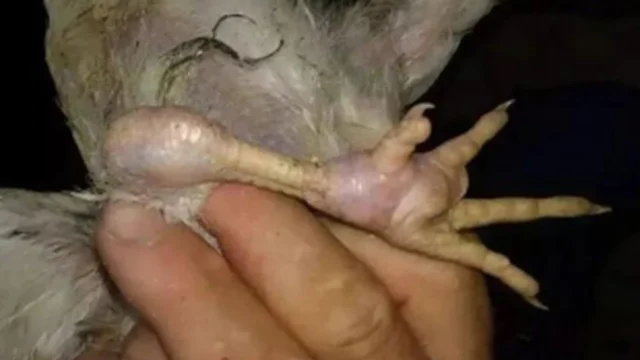
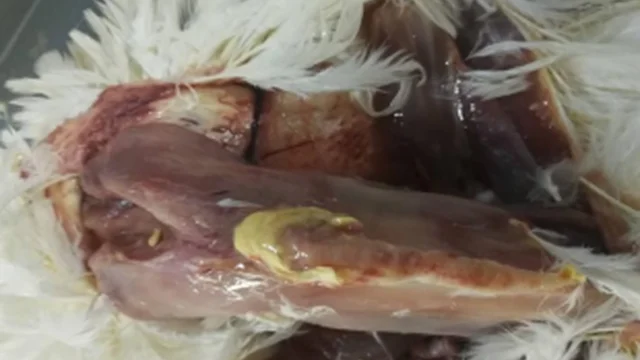
Key point: MG is associated with respiratory and reproductive tract problems. MS may cause respiratory infection, joint swelling, bursitis and tenosynovitis, and it can remain subclinical in caged birds.
Clinical Signs And Production Impact
Mycoplasma Can Cause Chronic and Hidden Production Losses
MG and MS can damage the respiratory, reproductive and musculoskeletal systems. Chronic or subclinical infection may reduce flock performance before obvious signs appear.
01
Respiratory Inflammation
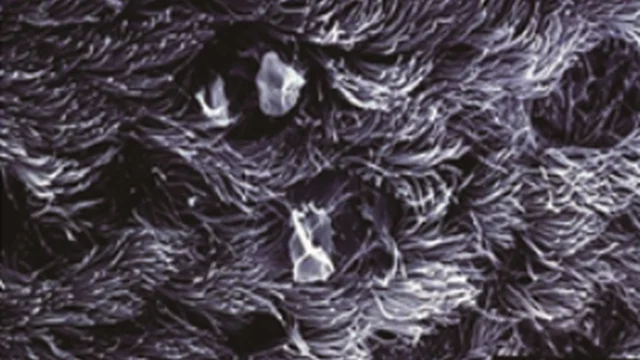
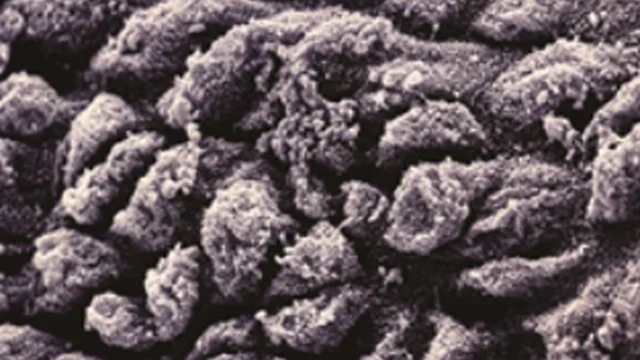
Ciliary damage and respiratory inflammation impair mucociliary clearance and increase secondary infection risk.
02
Reproductive Tract Losses
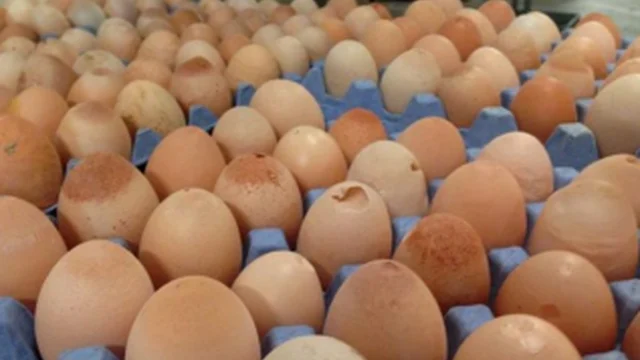
Inflammation is associated with reduced egg production and abnormal eggshell quality.
03
Joint and Synovial Disease
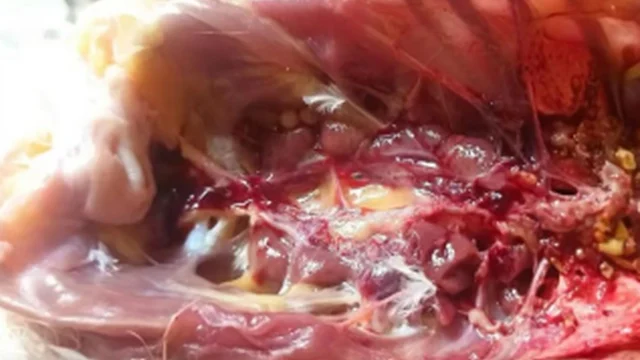
MS may cause joint swelling, bursitis, tenosynovitis, fever and growth retardation.
04
Vertical Transmission
Egg transmission can introduce infection at hatch and accelerate flock spread.
Respiratory tract inflammation: Normal cilia
Respiratory tract inflammation:Cilia affected by mycoplasma infection
Reproductive tract inflammation: Associated with reduced egg production, abnormal eggshell,
Field strains can differ in tissue tropism and immunogenicity. The supplied material highlights respiratory-tropic, reproductive-tropic and joint-tropic antigen directions for broader prevention planning.
Product communication point: Confirm the target country, MG or MS status, flock type, vertical transmission risk, clinical signs, previous medication and whether coryza coverage is also required.
Strain and Serotype Reference
Mycoplasma Antigen and Tropism Reference
The supplied material describes three antigen directions with high antigen content. Final claims and composition must follow the registered product label.
Antigen Direction
Tissue Tropism
Supplied Antigen Content
Program Role
CR strain
Respiratory tract
At least 1.0 x 10^9 CCU
Supports respiratory disease prevention
WH strain
Reproductive tract
At least 1.0 x 10^9 CCU
Supports reproductive tract protection
DM strain
Joint cavity
At least 1.0 x 10^9 CCU
Supports joint and synovial protection
Recommended WOLLVAC Products
Mycoplasma Vaccine Options for Poultry
Compare MG, MS and infectious coryza combination options for different flock risks.
Wovac MG+MS
Mycoplasma gallisepticum and Mycoplasma synoviae Vaccine, Inactivated
MGMS
Existing WOLLVAC product for relevant combined disease pressure.
Product composition, specifications, immunization program, dosage, route and label claims must follow the registered product label in the destination market.
Product Selection Guide
How to Choose a Mycoplasma Vaccine
Match disease pressure, flock type, production stage and co-infection risk with a registered product in the destination market.
Farm Situation
Suggested Direction
Key Check
MG and MS pressure
MG + MS inactivated vaccine
Review breeder and progeny status
Mycoplasma plus coryza pressure
Mycoplasma + IC combination
Confirm coryza serotype coverage
Vertical transmission concern
Breeder vaccination and monitoring
Review hatchery and egg data
Joint disease dominated by MS
MS-focused antigen direction
Confirm diagnosis and strain suitability
Core Technology
WOLLVAC Mycoplasma Vaccine Technology Highlights
WOLLVAC vaccine directions focus on antigen quality, formulation safety, stable immune response and practical farm use.
01
Endotoxin Control
Processing targets levels at or below 10 EU/mL to reduce endotoxin-related stress.
02
Composite Oil Adjuvant
French-origin composite oil adjuvant supports immune response and stability.
03
Low Viscosity
Viscosity below 30 cP supports easier injection and lower stress.